From the studio
Hello From the Studio
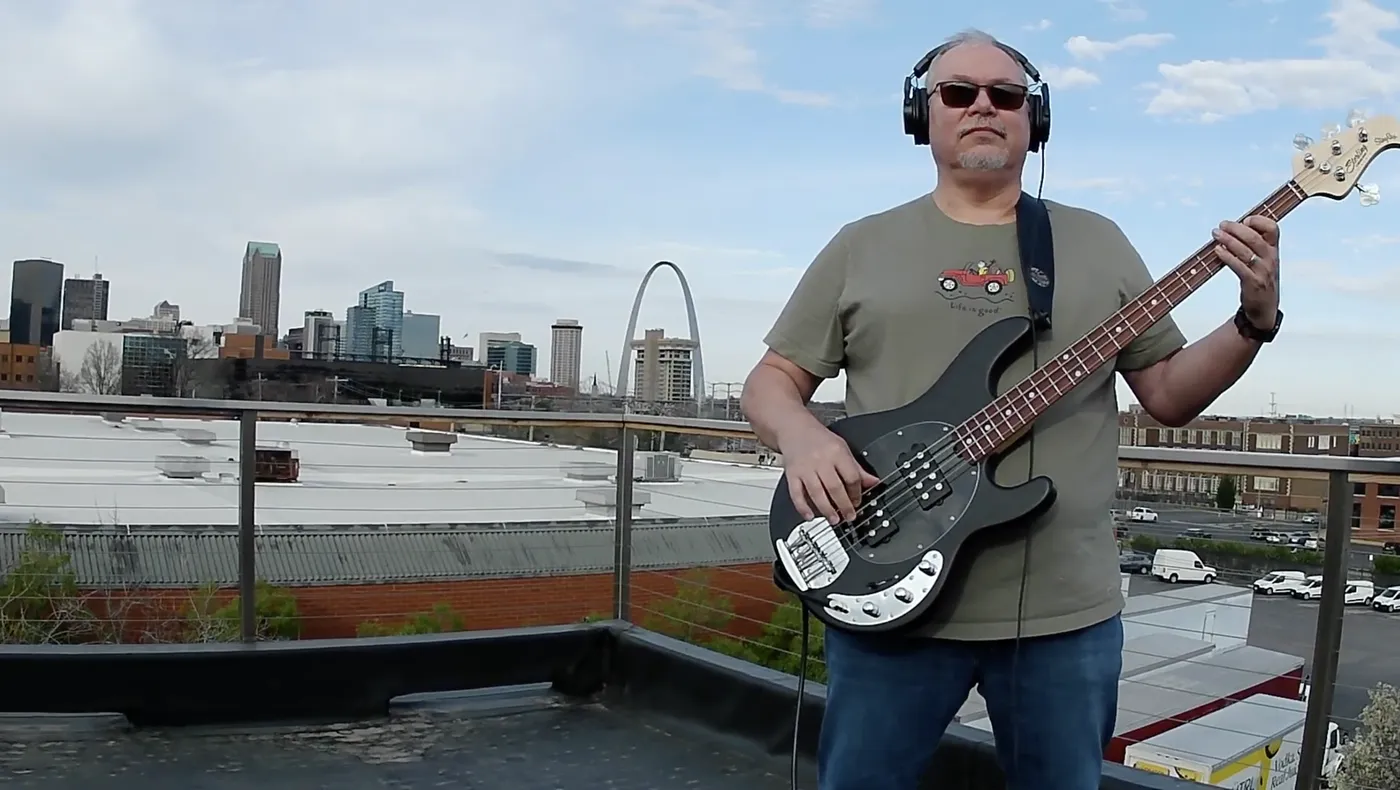
Near the end of 2024, I picked up a bass for the first time.
I was completely new to bass—and to stringed instruments in general—but not entirely new to music. I had played an instrument in high school, although that was many, many moons ago.
The same day I received my bass, I started an online course. In less than three weeks, the bass had gone from something new I wanted to try to something I couldn’t imagine putting down.
That is where Professor Plays Bass began.
Learning one song at a time
After spending a few decades away from playing music, I didn’t pick up the bass with grand ambitions. I simply wanted to learn. My plan was to take things one lesson, one technique, and one song at a time.
It turns out that learning songs is a wonderfully effective way to keep moving forward. Every bass line offers a different lesson. One might introduce a new groove, another might challenge my timing, and the next might force me to use a technique that still feels unfamiliar. Even songs that appear simple at first have a way of revealing something worth practicing.
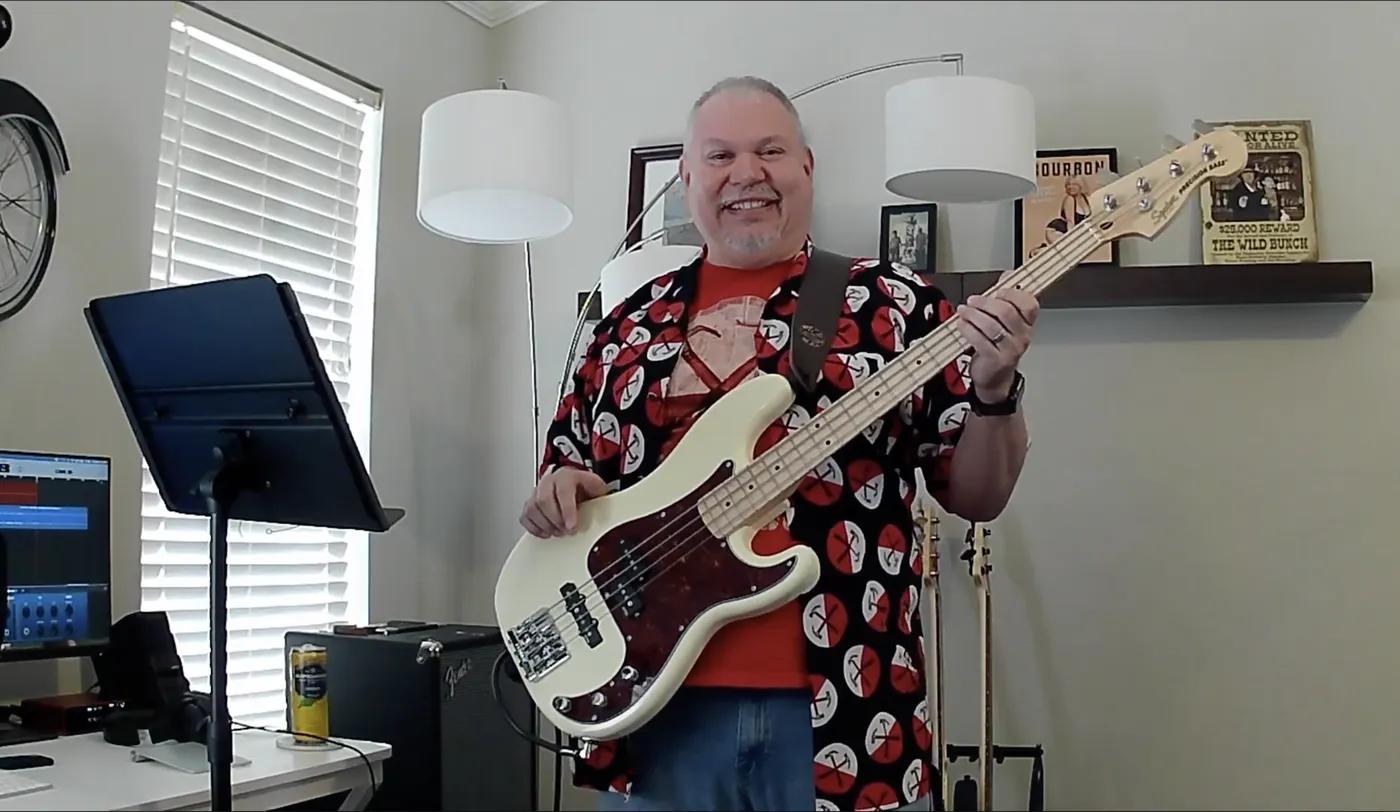
After decades away from music, I picked up a bass for the first time—and couldn’t put it down.
Some songs come together quickly. Others require a great deal more patience. Both kinds are part of the process.
I’m still very much a student of the instrument, and that is really the point of this project. Professor Plays Bass isn’t about pretending to have everything figured out. It’s about documenting what happens when someone starts from the beginning, keeps showing up, and sees where the music leads.
Along the way, I’ve also been working through the BassBuzz 50 Songs Challenge. I’m not through the full list yet, but it has introduced me to songs and techniques I might not have attempted otherwise. Some have pushed me well outside my comfort zone, and each has given me something new to learn.
A father-and-son project
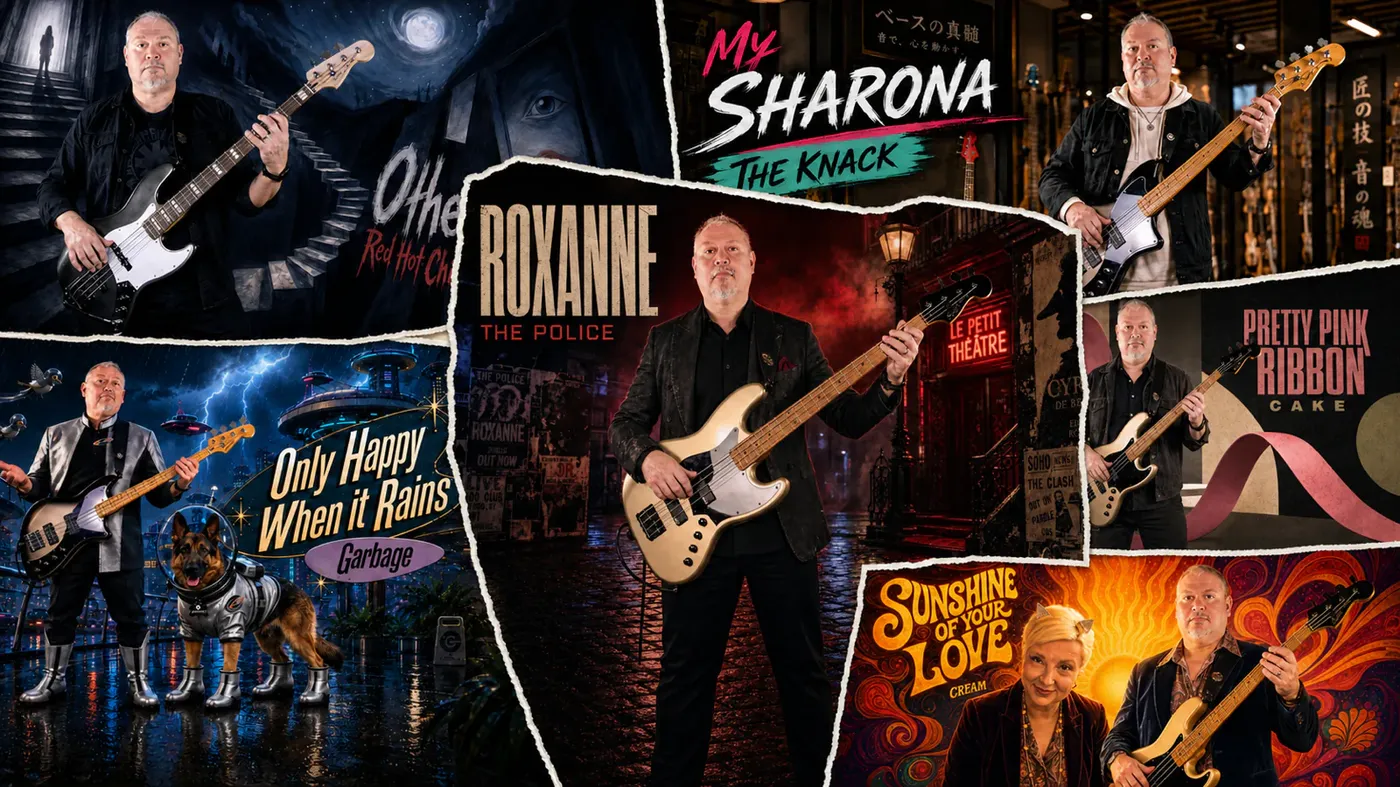
The bass soon became more than a hobby I was pursuing on my own. It became the starting point for a creative project my son and I could share.
Whenever we can, we create the bass-cover videos side by side. My son handles the camera and produces the finished video, allowing me to concentrate on playing.
When distance keeps us from working in the same room, we adapt. I manage the recording setup myself—including operating the camera remotely—then send him the audio and raw video files. He takes those pieces and turns them into the finished production.
We’ve also started experimenting with green-screen setups, giving us more creative possibilities even when we’re miles apart. The process may change depending on where we are, but the collaboration remains the same.
The finished videos are fun, but the collaboration behind them means even more to me. Music has given us a reason to experiment, exchange ideas, laugh at the things that don’t work, and build something neither of us originally planned.
That collaboration also extends beyond the videos.
How the Song Catalog Manager began
As the number of songs grew, so did everything surrounding them: songs I wanted to learn, songs I was actively practicing, songs I had recorded, and songs I hoped to revisit as my playing improved.
My son was already keeping track of the music in a spreadsheet. That spreadsheet—and the initial catalog data he had carefully maintained—became the foundation for what would eventually grow into the Song Catalog Manager.
The catalog manager has been a shared project from the beginning. My son helped build the initial catalog, and together we began turning a useful spreadsheet into something more engaging and accessible.
At its heart, the Song Catalog Manager gives the project a home. It provides a way to organize the songs, document my progress, and connect the music I’m learning with the performances and other material that come out of it.
The catalog is more than a list of titles. Each song represents a particular point in my development as a player. Together, they create a record of what I’ve attempted, what I’ve learned, and how my playing has changed over time.
Building the platform has also become another kind of learning experience. In much the same way that learning bass involves listening, experimenting, making mistakes, and trying again, developing the catalog has been an evolving process. It began with a practical tool that my son and I were already using, then grew as we saw new possibilities for it.
We’re continuing to shape the platform as the song collection—and the story behind it—grows.
Why start a blog?
The videos show the performances, and the catalog organizes the songs. This blog will tell more of the story behind them.
I’ll write about the songs I’m learning, the techniques that challenge me, the breakthroughs that make a difference, and the mistakes that teach me something useful. I’ll also share what goes into recording the covers, collaborating with my son, and continuing to develop the Song Catalog Manager platform.
You can expect posts about:
- Songs I’m learning and why I chose them
- Lessons and discoveries from practicing
- The process behind our bass-cover videos
- The tools and technology we use to collaborate
- New features and ideas for the Song Catalog Manager
- Reflections on returning to music later in life
Most of all, this blog will be an honest record of the journey. There will be songs that go well, songs that humble me, and plenty of things I’ll be learning in public.
If you’re an experienced bassist, I hope you’ll enjoy following along—and perhaps share some advice. If you’re a beginner, maybe this project will encourage you to keep going. And if you’ve been thinking about returning to music after years away, I hope it reminds you that there is no wrong time to begin again.
I’m learning one song at a time, enjoying the process, and looking forward to seeing where it takes me.
Welcome to Professor Plays Bass! 🙂
- Professor
Join the conversation
Comments
No comments yet. Start the conversation.