
From the studio
Not Bad for a Backup Plan
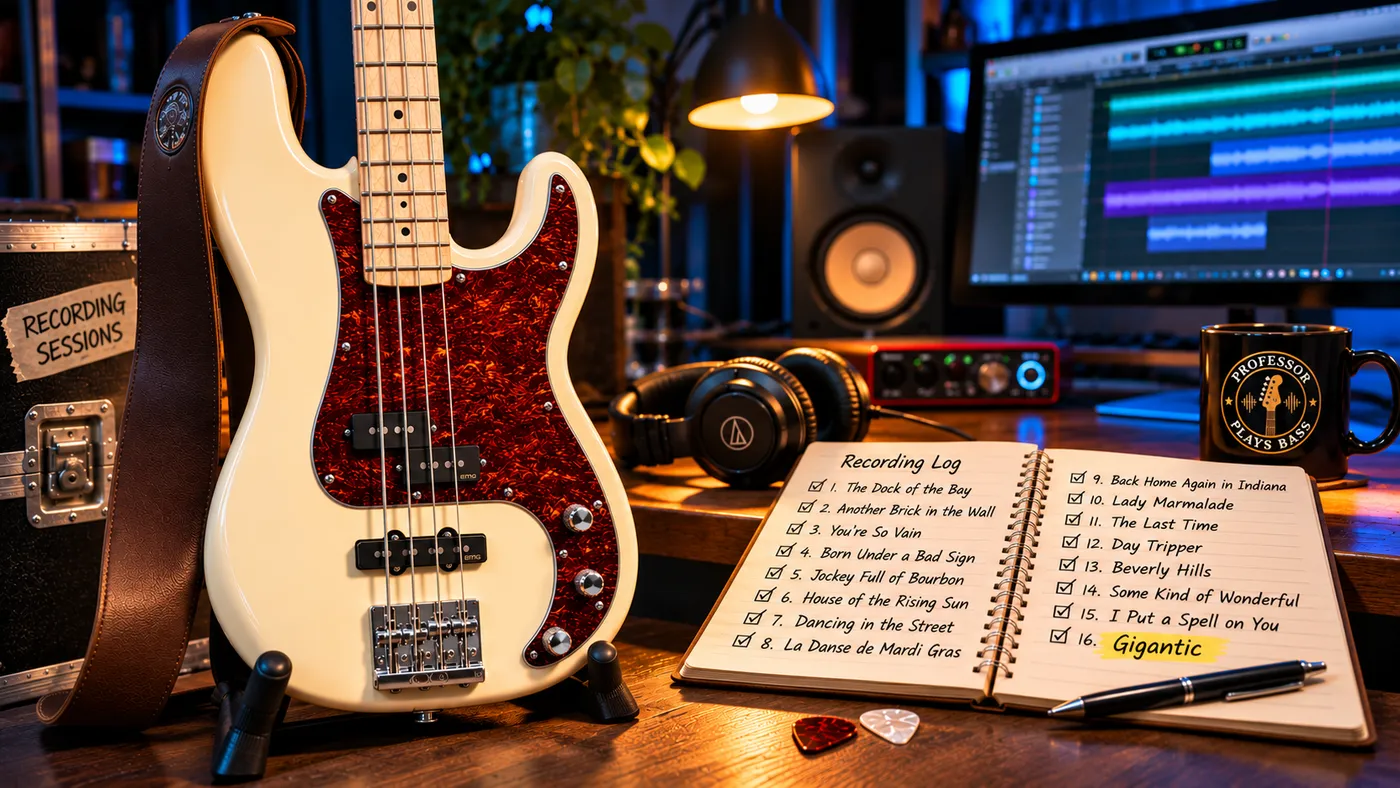
Of all the basses in my collection, the instrument I've recorded with most often is a Squier Affinity Precision Bass PJ.
Sixteen published recordings. Nearly a quarter of my entire song catalog. More than twice as many as any of my other active basses.
The funny thing is, I wasn't even planning to keep it.
The Plan
In early 2025, I was looking to add a second bass to my lineup in Indiana. My recent instrument purchases had been a mixed bag.
My first Squier Affinity PJ in Florida hadn't worked out, even after a professional setup. And a Fender Player Plus Active Jazz Bass I'd liked in the store went back after just a couple of days at home.
I've written more about those early adventures in A Bass for Every Occasion. Almost.
This time, I decided to order directly from Fender.
I'd fallen for the new Fender Standard Jazz Bass in Aqua Marine Metallic. The color caught my attention immediately, and I decided I had to have one.
There was just one concern. The series was brand new, and some of the early online discussion wasn't particularly encouraging.
Meanwhile, I still wanted a PJ in my collection. My first attempt hadn't worked out, but I hadn't abandoned the idea.
So I ordered a Squier Affinity Precision PJ as a backup, just in case the Standard Jazz didn't live up to my expectations.
Between Fender's online sales and my veteran's discount, I could purchase both instruments for less than I'd paid for the Player Plus.
The plan was simple: try both, keep whichever I preferred, and return the other.
Then they arrived.
I loved them both.
So much for the plan.
Something Special
The Standard Jazz was everything I'd hoped it would be. But the Affinity was the surprise.
Given my previous experience with the series, I wasn't expecting anything remarkable. Yet this one felt different almost immediately.
Particularly the neck.
I was still relatively new to bass, and I couldn't have explained exactly why. I just knew it felt right in my hands.
And I didn't want to send this one back.
And naturally, having found a bass that felt exceptionally good, I decided to start replacing parts of it. Because why wouldn't I?
I did some research, selected new pickups, electronics, and a bridge, and got to work. Within days, my new Affinity had undergone a fairly substantial transformation.
I did all the work myself, which was part of the fun. But the neck? That wasn't going anywhere.
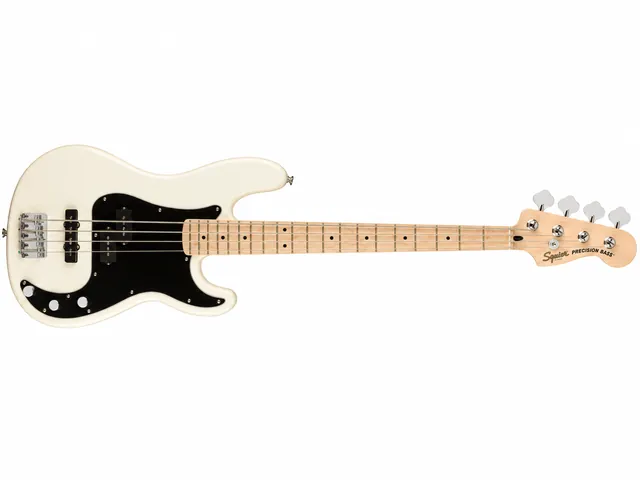
When I shared my modifications on a bass forum, a few people questioned the economics. Why spend so much upgrading an entry-level Squier when I could have purchased a Fender Player II Precision instead?
Their estimates of what I'd spent were a little generous, but I understood the question.
I'd already found a neck that suited me. By choosing the pickups, electronics, and hardware myself, I could put together exactly the combination of features I wanted.
I wasn't trying to turn an inexpensive bass into an expensive one.
I was making it mine.
Still in the Mix
Since then, I've played and recorded with plenty of other basses. Some of those early purchases have come and gone.
At first, I was trying different instruments from one recording to the next. But somewhere along the way, I started reaching for the Affinity more often.
It's been through a few experiments of its own, particularly with strings. At one point, I changed them to give it a different voice among my Indiana basses.
That worked. But I found myself missing the sound I'd grown used to.
So back to half-rounds it went.
The EMG Geezer Butler pickups deliver a sound I enjoy, and the original neck remains one of the most comfortable in my collection.
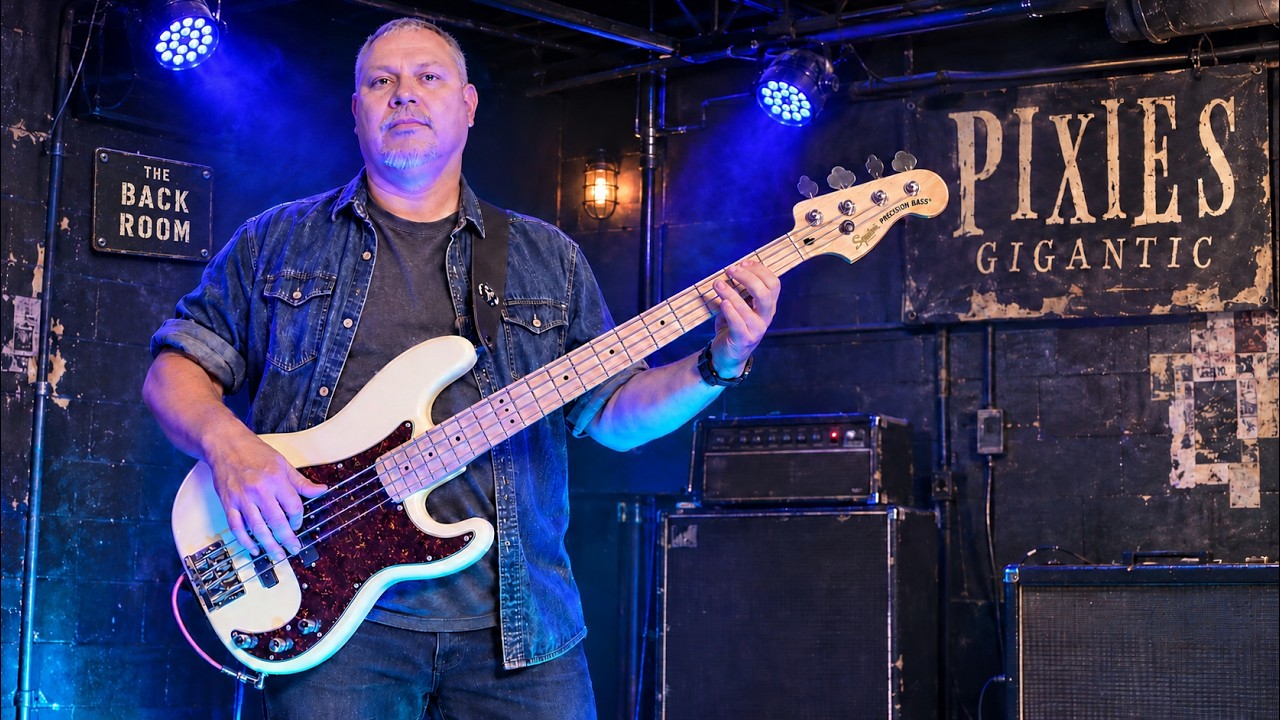
My latest recording is Gigantic by the Pixies, performed in The Back Room, our newest virtual venue.
And once again, I reached for the Affinity.
Both basses I ordered that February are still here. The Standard Jazz turned out to be exactly what I'd hoped for.
The Affinity never had to fill in. It just kept getting the gig.
Join the conversation
Comments
No comments yet. Start the conversation.